
As temperatures rise across Central Washington, so does rattlesnake activity. Whether you’re hiking, fishing, camping, hunting, working outdoors, or simply enjoying the sunshine, it’s important to know how to stay safe during snake season.
According to the Washington Poison Center, more than a dozen snakebite cases have already been reported this season, and rattlesnake encounters are most common between April and August.
Washington's Only Venomous Snake
The Western Rattlesnake (also known as the Northern Pacific Rattlesnake) is the only venomous snake native to Washington State. These snakes are commonly found in the dry, rocky regions of Central and Eastern Washington, including areas throughout the Columbia Basin.
While rattlesnake bites are rarely fatal, they can cause serious medical complications, including tissue damage, swelling, bleeding, and significant pain. Prompt medical attention is important.
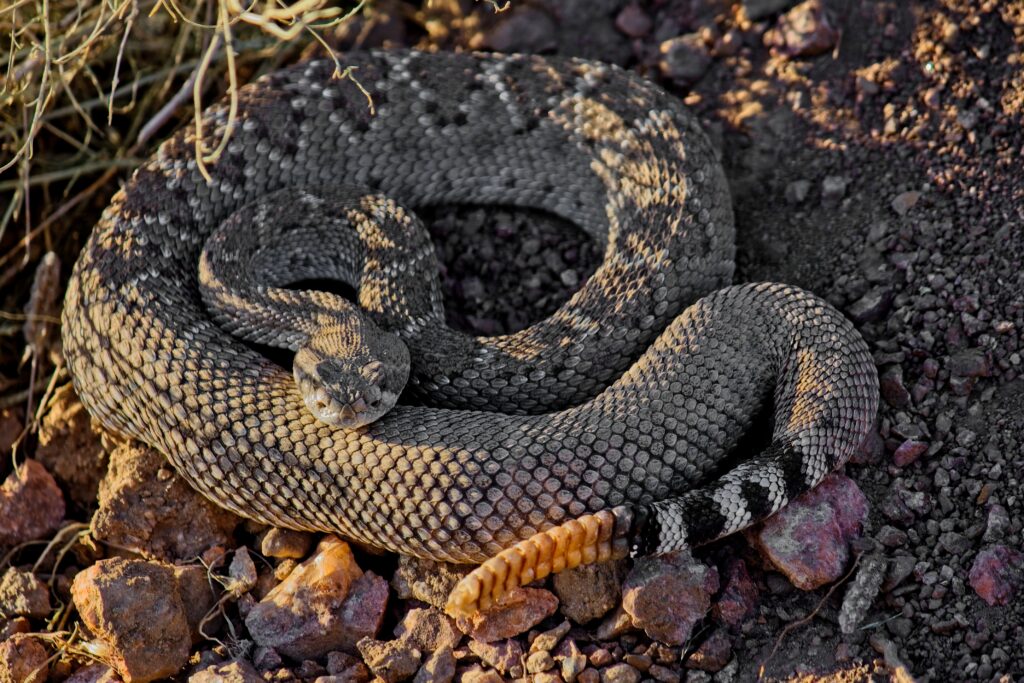
The Western Rattlesnake is the only venomous snake native to Washington State and is commonly found in dry, rocky areas of Central and Eastern Washington.
How to Reduce Your Risk
If you’re spending time outdoors this summer, consider these safety tips:
- Hike with a buddy whenever possible.
- Wear over-the-ankle boots and long pants.
- Stay on marked trails.
- Use trekking poles or a walking stick when hiking.
- Avoid reaching into brush, tall grass, rock piles, or areas you cannot clearly see.
- Be alert for rattlesnakes sunning themselves on trails or rocky surfaces.
- If you hear a rattle or spot a snake, slowly back away and give it plenty of space.
- Never attempt to touch, handle, capture, or kill a snake.
If You Are Bitten
- Stay as calm as possible.
- Call 911 immediately if the person has difficulty breathing, loses consciousness, develops facial swelling, or was bitten on the face.
- Seek emergency medical care as soon as possible.
- Keep the affected limb still and below heart level if practical.
- Remove rings, watches, or tight clothing near the bite area in case swelling develops.
What NOT to do
Many snakebite myths persist, but these methods are not recommended and may make the injury worse:
- Do not cut the wound.
- Do not attempt to suck out the venom.
- Do not apply ice.
- Do not use a tourniquet.
- Do not use commercial snakebite extraction kits.
If it is safe to do so, take a photo of the snake from a distance to assist with identification. Do not attempt to catch or transport the snake.
When Every Minute Matters
The good news is that most people who receive timely medical treatment recover well. If you suspect a rattlesnake bite, your best course of action is simple: call for help and get to a medical facility as quickly and safely as possible.
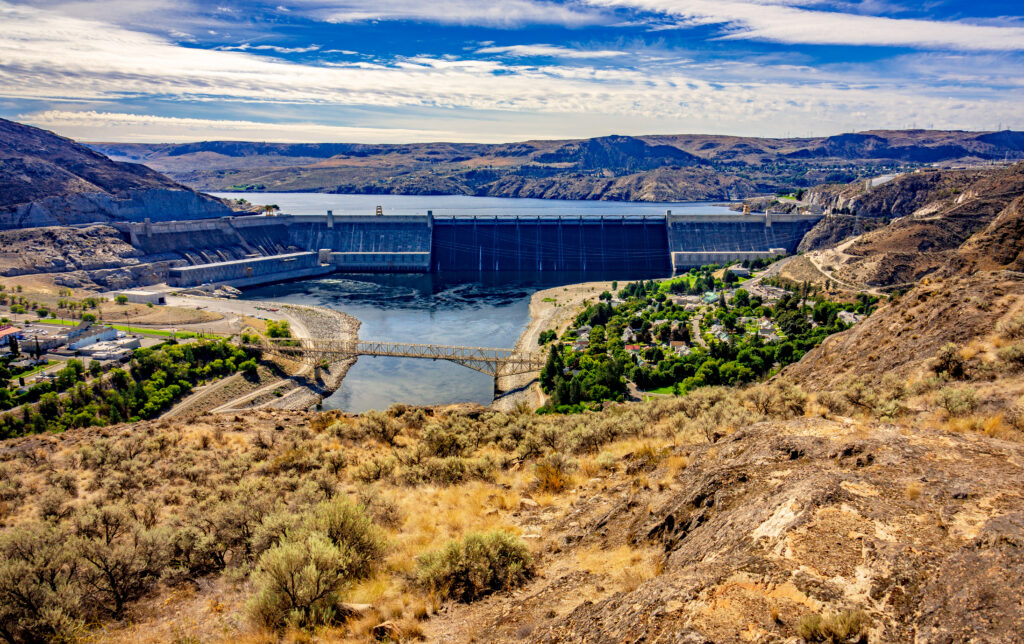
As we enjoy another beautiful summer in North Central Washington, a little awareness can go a long way toward keeping outdoor adventures safe and enjoyable for everyone.
Learn more about rattlesnake safety:
https://www.wapc.org/insights/ready-set-sssssummer-snake-safety/